
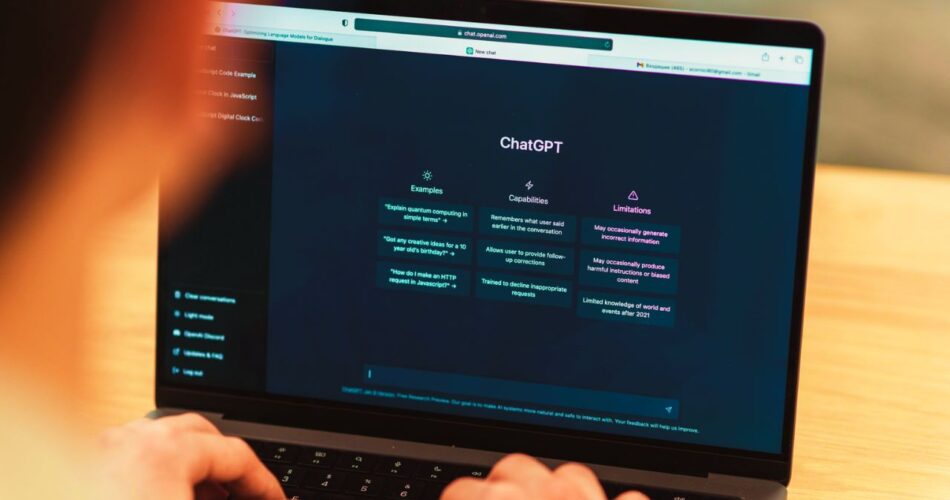
ChatGPT is rapidly becoming one of the most important online information sources.
ChatGPT Conversations Are Getting Smarter: Info-Seeking Messages Jump from 14% to 24% in Just One Year, Says Study.
Table of Contents
It’s essential to note that this insight originates from an NBER working paper, which has not yet undergone peer review, and focuses exclusively on users with paid ChatGPT subscriptions. The researchers ensured privacy by analyzing data without anyone ever reading individual messages.
Between May 2024 and June 2025, 1.1 million ChatGPT chats were analyzed as part of the study’s large sample. With more than 700 million weekly active users and an astounding 2.5 billion messages exchanged daily—nearly 18 billion messages weekly—the AI network had skyrocketed in popularity by July.
The Reasons People Use ChatGPT
According to the most recent research, people use ChatGPT primarily for three purposes: writing, information seeking, and practical guidance. Approximately 77% of all interactions fall into one of these groups.
Over the past year, the proportion of writing assignments has decreased from 35% to 26%, while the proportion of practical guidance has remained stable at approximately 30%. Seeking Information increased from 14% to 24%, indicating a jump in the desire for information.
According to the study’s authors, ChatGPT is emerging as “a strong alternative to traditional web searches” for information gathering.
Making Inquiries versus Acting
Asking, Doing, and Expressing are the three categories into which the study divides user purpose. Approximately 52% of all ChatGPT messages are classified as asking, 38% as doing, and 10% as expressing thoughts or feelings.
Fascinatingly, both automated analysis and user input indicate that messages categorized as Asking are generally rated as having higher quality than the other varieties.
Individual vs. Professional Use of ChatGPT
Personal use of ChatGPT has increased dramatically over the past year, rising from 53% in June 2024 to an astounding 73% in June 2025.
Writing continues to be the most common form of communication in work-related interactions, accounting for over 40% of all professional messages.
About 10% of all chats involve tutoring or teaching, demonstrating ChatGPT’s increasing influence as a learning tool. Education also plays a significant role.
Companionship and Coding: Unique but Notable
Even while ChatGPT is used extensively for a variety of purposes, discussions regarding computer programming only account for a small portion of all messages—roughly 7%. Similarly, 3% of the subjects are about relationships, introspection, or emotional support.
Despite making up a lesser percentage of usage, these areas demonstrate ChatGPT’s adaptability—from providing companionship and intelligent conversation to assisting with technical coding difficulties.
Is Anyone Using ChatGPT?
The study demonstrates ChatGPT’s quick global adoption across a range of user demographics. Even more remarkable is the expansion in lower-income nations, where adoption rates have increased at a rate that is more than four times faster than in wealthier countries.
This pattern highlights ChatGPT’s growing worldwide presence and its capacity to close digital divides.
Why This Change Is Important
Many of the inquiries that were previously sent to search engines are now being directed toward conversational AI tools, with one out of every four ChatGPT encounters now being about discovering information.
This shift offers a clear opportunity: content producers and companies should provide unique knowledge and insights that AI can’t readily imitate, in addition to providing solutions to frequently asked queries.
Furthermore, the importance of writing and editing in ChatGPT use for business-related purposes illustrates how teams are incorporating AI into their content creation processes more and more, ushering in a new era in the way we create and polish work.
ChatGPT: A New Hub for Online Information
Although the increase in information-focused queries is noteworthy, it’s also critical to acknowledge that over 70% of ChatGPT usage occurs in personal settings as opposed to work-related ones, indicating a significant change in how regular consumers engage with AI.
It will be essential to keep an eye on how your audience uses AI tools as this technology develops. You can remain connected and relevant by modifying your content strategy to suit people in this shifting environment.
Next Post: Google Set to Make Gemini AI the New Default for Search


